Noise Impact Assessment
A noise impact assessment is a technical report setting out the impact of a site or development on the local sound environment or how the local sound environment might impact on proposed development. A noise impact assessment will typically involve assessing the existing baseline conditions, predicting future noise levels, evaluating the impacts and providing mitigation measures if necessary.
Expert Noise Impact Assessment for Planning and Compliance
WBM use Class 1 Sound Level Meters to survey existing noise and offer in-house calculation methods or noise mapping to predict future impacts. Our reports are tailored to fit each client’s needs and are supported by a robust assessment process to give you peace of mind.
Most smaller developments will require a noise impact assessment as part of the planning application process, the methodology used will depend on the type of development. Larger developments may be subject to the Environmental Impact Regulations, which will require a noise chapter as part of the Environmental Statement. Industrial sites that have environmental permits will often need a noise impact assessment to demonstrate that their site is not causing noise pollution and/or to demonstrate that best available techniques are being employed to mitigate any noise impacts.
(EIA) Environmental Impact Assessment
Environmental Impact Assessment and preparation of an Environmental Statement is a more comprehensive noise impact assessment that only applies to certain types of development. The aim of Environmental Impact Assessment is to ascertain whether a proposed development will be likely to have significant effects on the environment and whether these effects have been mitigated and minimised.
BS 4142:“Methods for rating and assessing industrial and commercial sound”
BS 4142 describes methods for assessing the likely effects of sound of an industrial and/or commercial nature on residential properties. It includes the assessment of sound from industrial and manufacturing processes, M&E plant and equipment and mobile plant/vehicles on the site. It can be used to assess sound from proposed, new, modified or additional industrial/commercial sources, at existing or new premises used for residential purposes.
Environment Agency Permits
The Environment Agency (EA) require assessments to be conducted in line with the requirements of BS4142: 2014 + A1:2019. The EA seek to avoid sites causing significant noise pollution and generally require the overall site noise to be no more than 5 dB above the representative background sound level, although this is dependent on context. Additional guidance on the use of BS 4142:2014+A1:2019 when applying for a permit is provided in the Environment Agency “Method implementation document (MID) for BS 4142”.
BS 8233:“Guidance on sound insulation and noise reduction for buildings”
BS 8233 gives recommendations for the control of noise in and around buildings, and suggests indoor ambient noise levels for dwellings from noise sources without a specific character (“anonymous noise”). Planning conditions for new residential development often reference the recommended indoor ambient noise levels set out in Table 4 of the standard. For external amenity space, such as gardens and patios, ideally the external noise level should not exceed 50–55dB LAeq,T. BS 8233 is to be used for anonymous sources of noise such as transportation sources.
BS 5228 “Code of practice for noise and vibration control of construction and open sites”
BS 5228 provides guidance on the significance of noise effects from construction and open sites. The ABC method in Annex E of the document gives example threshold levels at dwellings depending on the existing ambient noise levels in the locality. As a minimum (in quieter areas) construction noise levels should not exceed 65dB LAeq,T during daytime 55dB LAeq,T during evenings and 45dB LAeq,T at night-time. These levels are often incorporated into noise conditions or construction environment management plans (CEMP).
Entertainment, Sports & Leisure, Retail & Offices, Road (CRTN) and Rail (CRN)
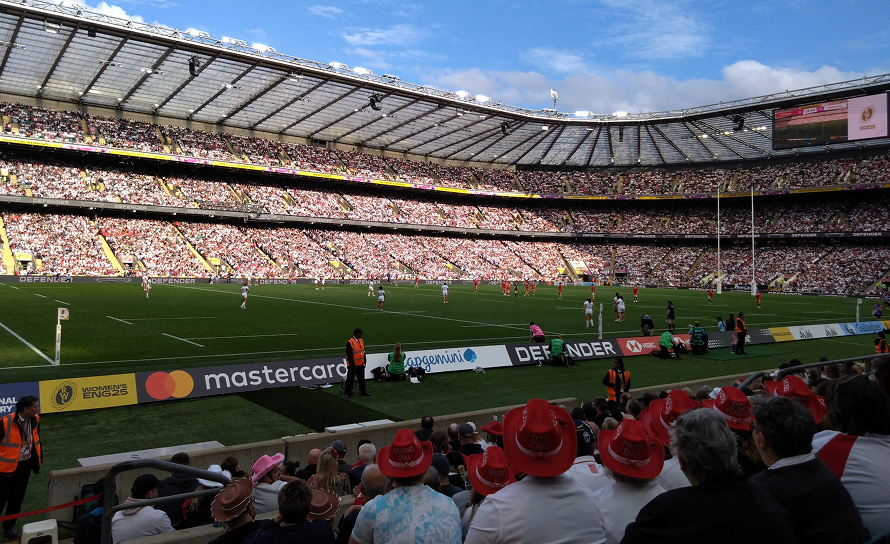
There isn’t a specific guidance document for assessing noise from every source or for every situation, but WBM have the expertise to advise you whatever your site. For live music, sports or entertainment and depending on the type of venue, we can provide assessments that follow ProPG: Gym Acoustics Guidance, Sport England artificial grass pitches (AGPs) guidance, the Institute of Acoustics Good Practice Guide for Control of Noise from Pubs and Clubs or the Noise Council’s Code of Practice on Environmental Noise Control at Concerts. For calculating noise impact from road and rail sources the methodology set out in CRTN and CRN is followed.
Other specialist services
We provide tailored project proposals and deliver practical guidance and solutions.
FAQs
How long does a noise assessment take?
A noise assessment can take anything from a matter of days for simple sites and applications to several weeks if detailed measurement, analysis and assessment is needed.
Get in touch
Fill out our online contact form and a member of the WBM team will come back to you.
"*" indicates required fields